Growing list of non-traditional higher education programs in South Dakota represent national changes, expanding options for students.
Schools across the nation are increasingly seeing the need to be creative to adapt to student needs and expectations that are ever-changing.
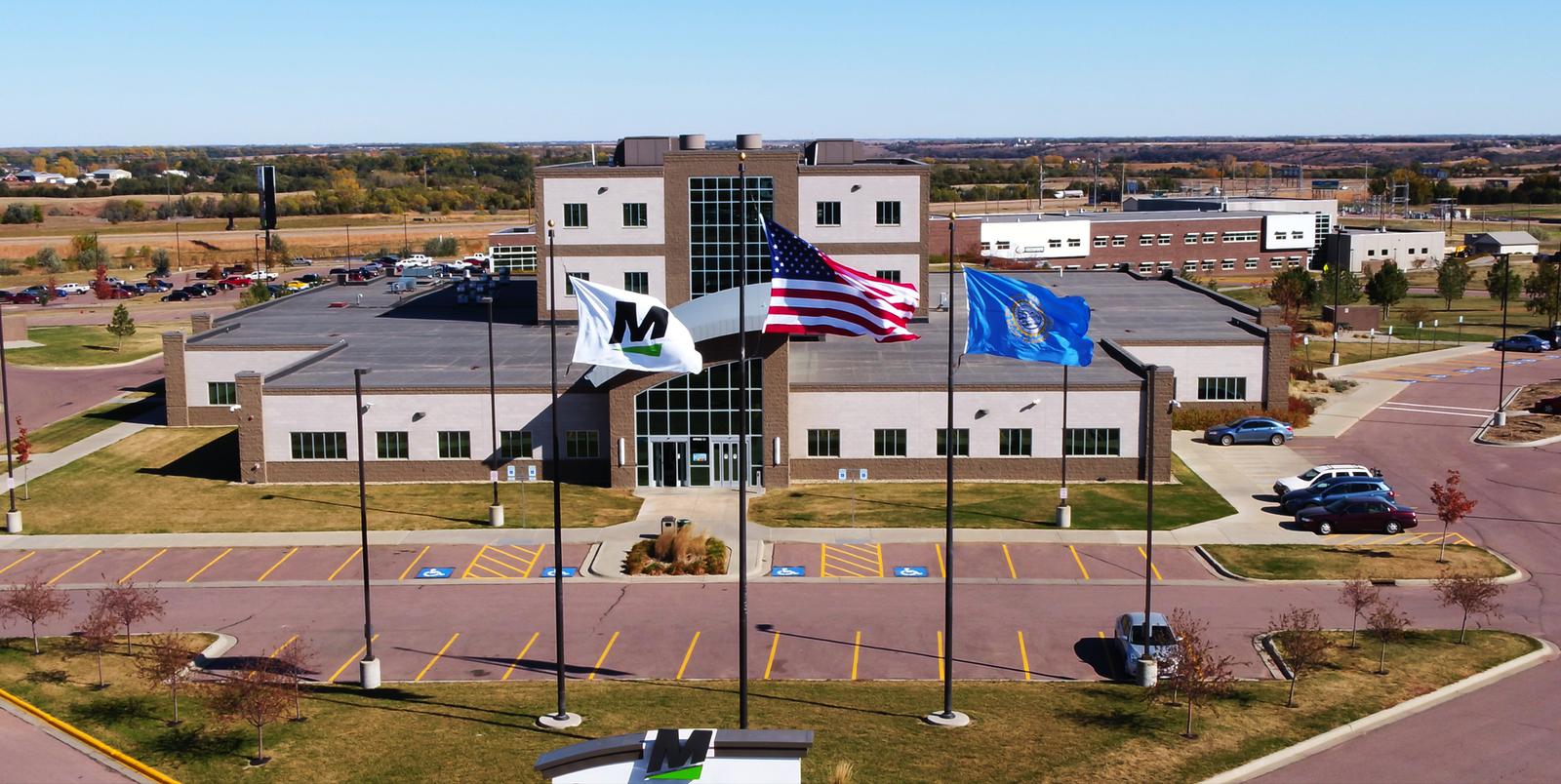
"I think every university is being challenged to think about the value of higher education, just from the national rhetoric. And I think those that can be creative are moving in the direction to provide the best possible options for students," said Fredel Thomas, vice president of admissions, marketing and technology at Dakota Wesleyan University in Mitchell.
"What we see most often is students either prioritize time or money," she said, "so those two pieces work together in very different ways."
Double your impact. One-time and recurring donations are matched through Dec. 31.
In a time where almost 43 million Americans have federal student loan debt equalling out to about $40,000 per borrower, it's easy to see why students are thinking differently about the time and money spent at school.
Student loan debt is the second-highest consumer debt category after mortgages, according to the Education Data Initiative. In South Dakota, about 116,000 residents have federal student loan debt.
State data from the Education Data Initiative showed that South Dakotan's federal student loan balance is 20% below national average. Three-quarters of federal student loan borrowers owe $40,000 or less in South Dakota and about one-third owe $10,000 or less.
 Emily DeCock
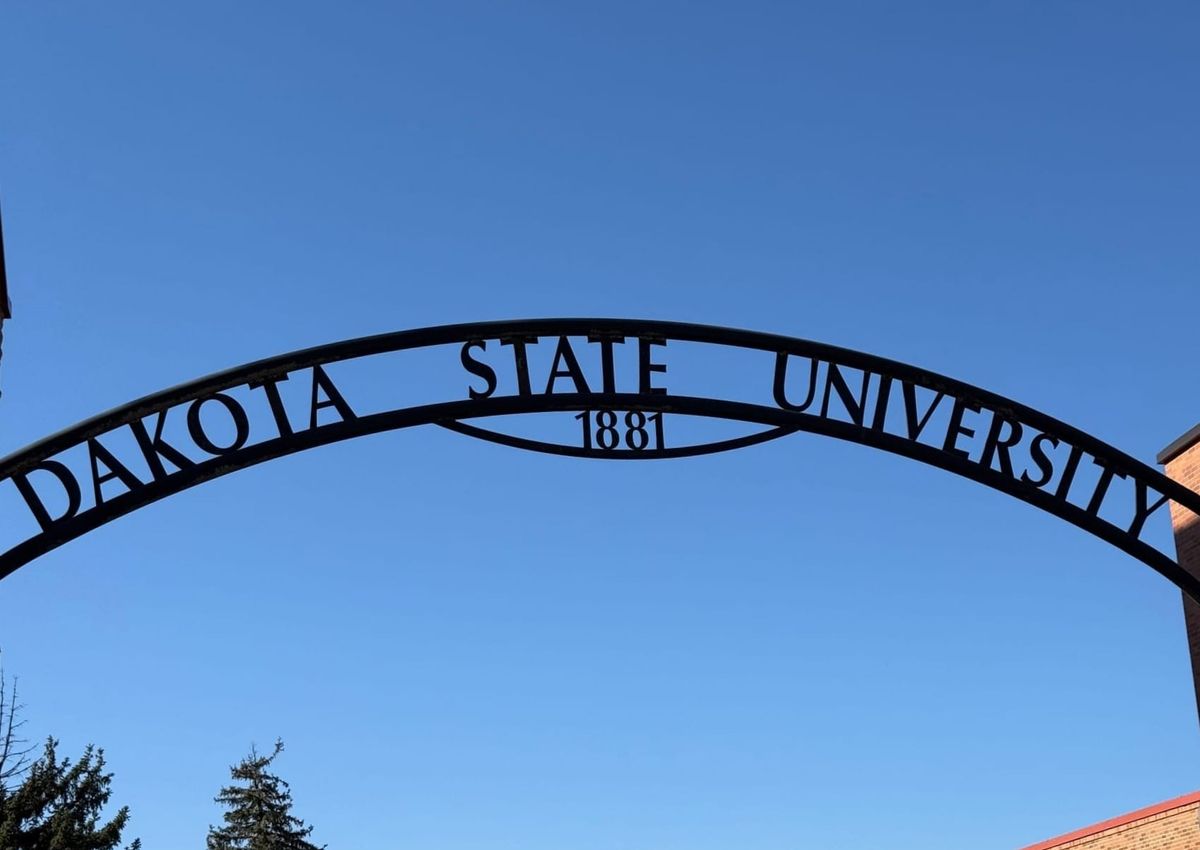
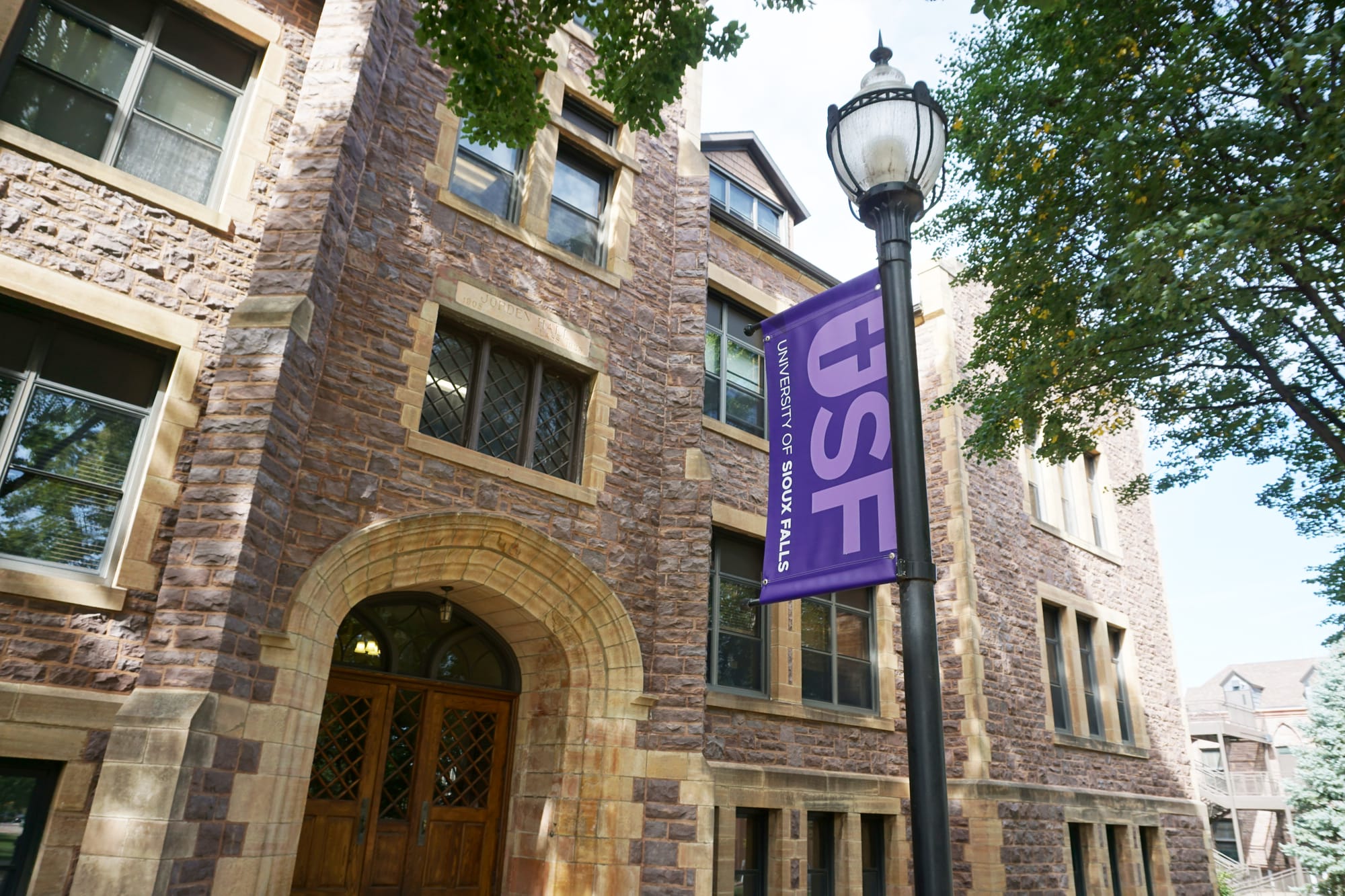
When prospective students and their parents stop at the office of University of Sioux Falls President Brett Bradfield on their tour, they want to know that their investment is going to pay off.
"Easily half of the people coming through my office, through their own verbal questioning and comments, they measure return of investment for taking higher education and spending the money and the time based on gainful employment," Bradfield said.
Bradfield said there's something to be said for "learning just for the sake of learning," but he understands where students are coming from.
"They're looking for something to help them pursue their passions, advance their careers, advance who they are as human beings and they all want it in a different way. And if we can't deliver it, then they'll go get it where someone can deliver it in the manner they want it delivered," he said.
How some South Dakota colleges are adapting
Below are ways schools across the state are adapting programs for current learners.
Augustana University
At Augustana University in Sioux Falls, conversations are ongoing on how to offer education in different ways while maintaining skills learned by attending an in-person liberal arts college like Augustana, said Adam Heinitz, associate vice president of enrollment management.
"I think we feel very convicted that the liberal arts core and portion of the education that we provide here is maybe more important than it ever has been in a world where artificial intelligence is all around us. Human intelligence sometimes can be pushed off a little bit, and so just being able to incorporate and embed that into what we do here, it’s still really important to Augustana,” he said.
While the South Dakota Board of Regents is considering allowing 90-degree bachelor degrees, there are no immediate proposals for reduced-credit degrees at Augustana.
The Higher Learning Commission, which is a major university accreditor in the U.S., approved reduced credit degrees in 2024.
 Emily DeCock
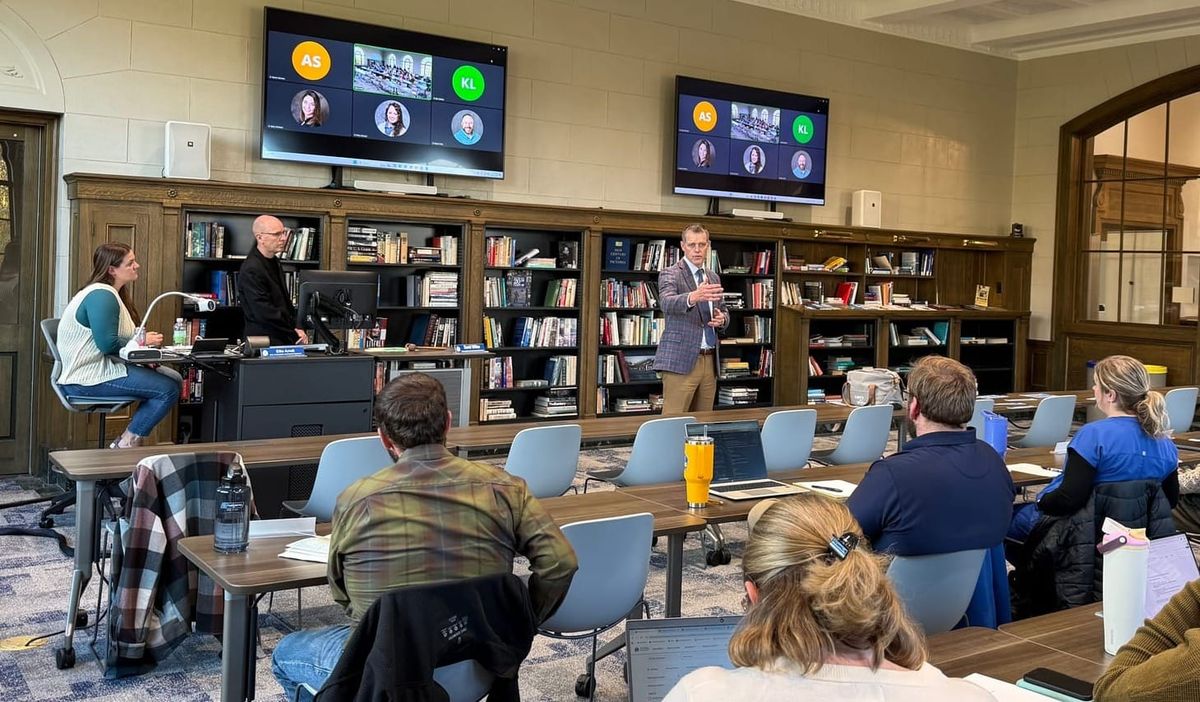
However, Heinitz said the school recognizes the need to be responsive to the environment, the needs of students and the needs of employers.
This fall, enrollment at Augustana University hit 2,652 students, the most in the school's history.
Like many other universities, Augustana offers pathways for students to earn a bachelor's and master's degree in five years. Some students, depending on the credits they have coming in, can finish with a bachelor's and master's degree in four years, Heinitz said.
Coming into college with credits from high school is increasing in popularity.
University of Sioux Falls
At the University of Sioux Falls, that seems to be the new normal. Bradfield said the school sees a number of students who graduate in three or in three and a half years.
"With our last three freshman cohorts that have come into the university, if I look at their aggregate credits – before they stepped a toe in a college classroom at our university – they've come in with 2,700, 2,800 credits," he said.
 Greta Goede
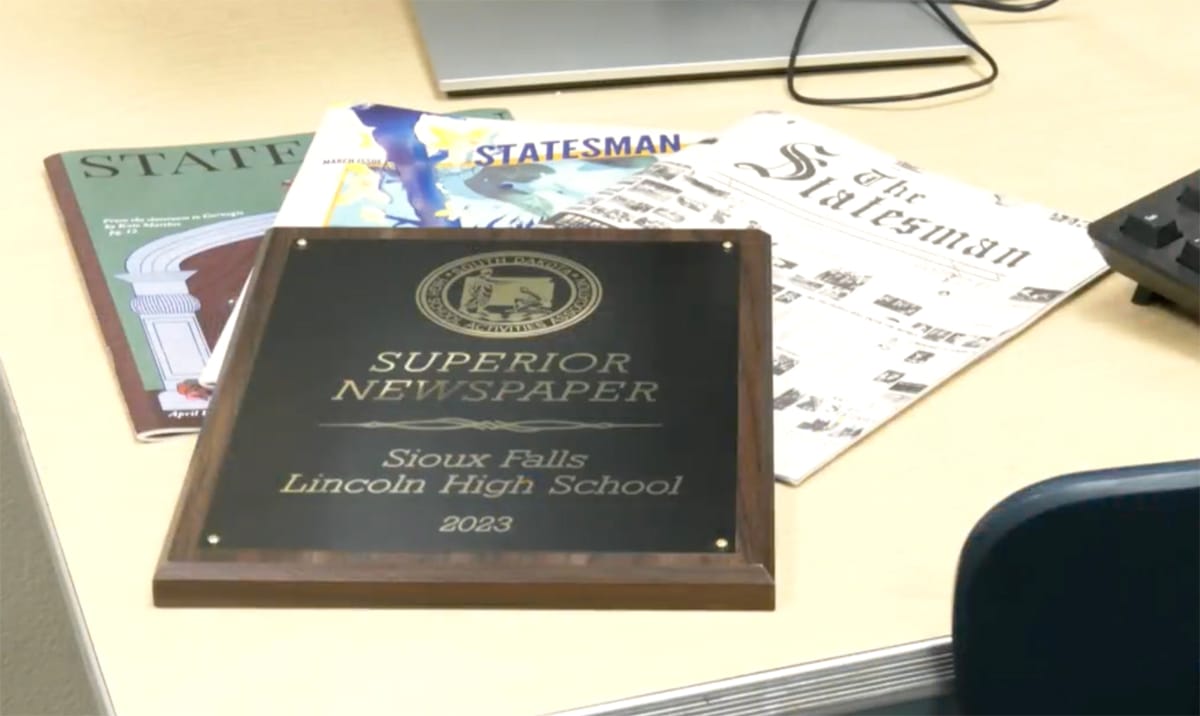
That's possible because of dual and concurrent enrollment. Dual credit classes are typically online courses a high school student can take while still in high school. The cost is reduced and students earn both high school and college credit at the same time.
Concurrent credit classes operate in a similar way. They are college classes taught by high school faculty members who are qualified to teach the course. They count for both high school and college credit.
Dakota Wesleyan University
At Dakota Wesleyan University in Mitchell, Thomas said it's common across programs for a student to graduate in three years.
DWU has also been exploring 90-credit degrees. It's up to universities to ask questions about a program's employability, opportunities and how much students might make when considering different programs, Thomas said.
"We're pretty agile. We create new programs, and we meet the students where they are," she said.
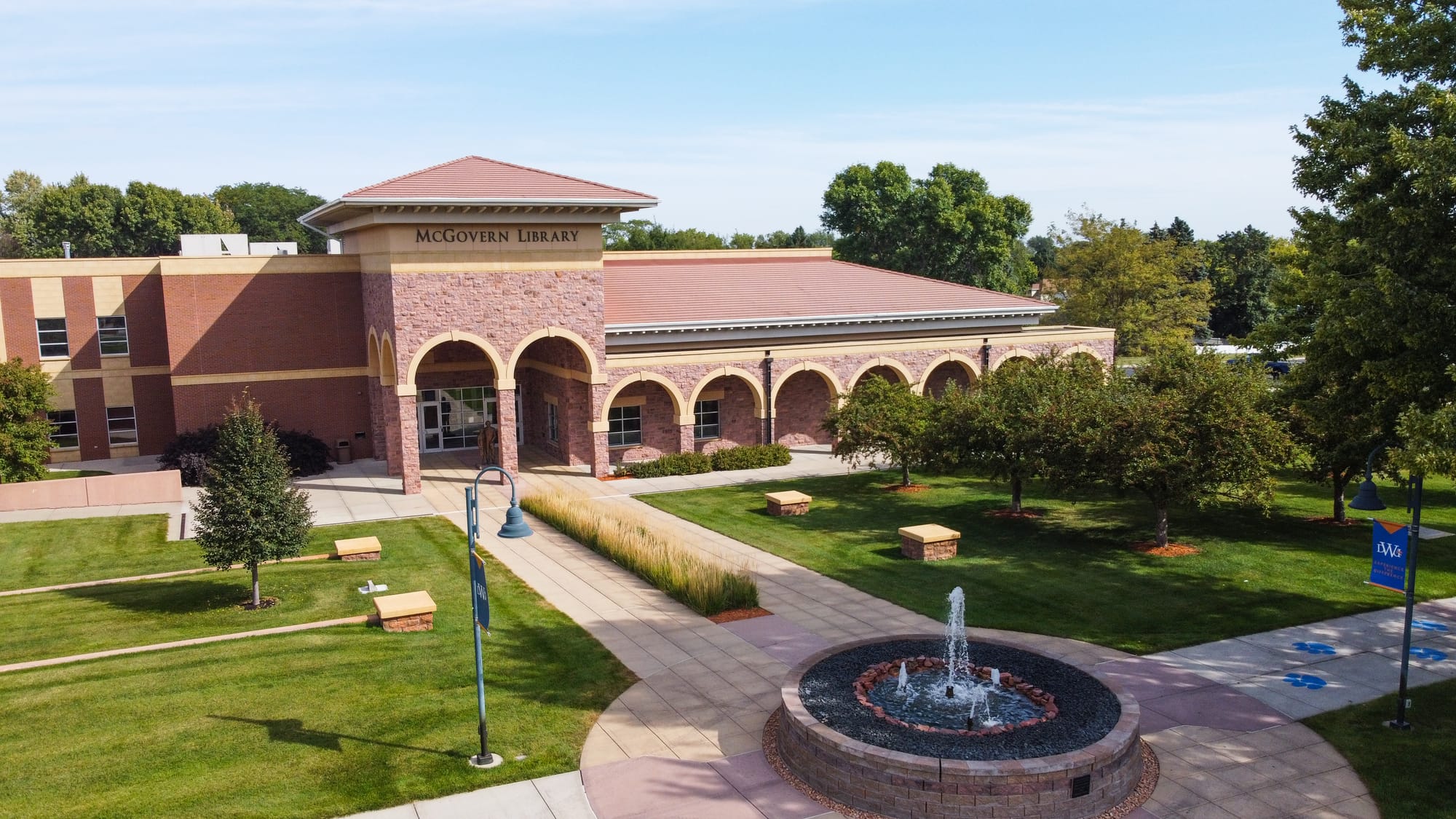
Mitchell is the only city in South Dakota outside of Sioux Falls and Rapid City that has two post-secondary institutions.
Thomas said Mitchell Technical College is a partner, not a competitor. DWU has "2+2" agreements with the South Dakota technical schools and some community colleges in Nebraska and Iowa to make it easier for students to transfer their credits and get a four-year degree from DW.
A special program with Mitchell Tech allows students to be full-time at DWU, while 18 of the 120 credits come from Mitchell Tech to complete an agriculture business, construction management or architectural and design degree.
"People embrace the need for both universities, and we've always looked at each other that way. We need two-year technical education, and we also need four-year bachelor's prepared students and master students. And so we both have our defined roles, and it is amazing that we have both and are able to sustain that in this town" she said.
Mount Marty University
Mount Marty University in Yankton offers several programs designed to expedite degree completion, said Provost and Executive Vice President Bill Miller.
This includes a Student to Teachers through Educator Pathways (STEP) Program. STEP is a dual-credit initiative offered by Mount Marty University-Watertown in partnership with Northeast Technical High School (NTHS) and Watertown High School.
It allows high school students interested in teaching to take specific dual-credit courses in education. Students that do this program have the potential to finish their bachelor's degree in elementary education in three years.
Similarly, MMU offers an accelerated track that lets eligible high school students earn a bachelor of science in nursing (BSN) in three years instead of four. The program was developed with Bishop O'Gorman Catholic High School and Avera Health.
Miller said MMU faculty will soon begin the process of updating the school's general education program. This process will take a couple years or more, and a variety of options will be on the table, including lower credit degrees.
Lake Area Technical College
"We want students to leave with more than a degree," said Hannah Abel, dean of student services at Lake Area Technical College in Watertown in an email to News Watch. "We want them to leave with a combination of skills, experiences, and credentials that gives them options when they enter the workforce."
E-Degree pathways represent almost 19% of LATC enrollment. From 2024 to 2026, online course sections increased from 139 to 159 and enrollment in those sections grew from 1,214 to 1,382.
Abel said LATC continues to look for ways to make technical education fit students’ lives. They do this through online or hybrid learning, dual credit courses, allowing students to pursue multiple credentials, transfer previous coursework, or choose a shorter credential that can build into a degree later.
"We are trying to create different entry points that ultimately lead students toward a career," she said.
Sisseton Wahpeton College
In an email to News Watch, business instructor at Sisseton Wahpeton College Samuel Bonsu said the school is considering 90-credit degrees. At SWC, associate of applied science, associate of science and certificate degrees already allow students to graduate in two years or less.
"We're actually excited about it as it reduces the burden of school fees and guarantees early graduation," Bonsu said.
Mitchell Technical College
At Mitchell Technical College in Mitchell, an online nursing program that will launch next fall will double enrollment in the school's licensed practical nurse (LPN) and registered nurse (RN) programs, Kaitlyn Van Peursem, director of marketing and public information said.
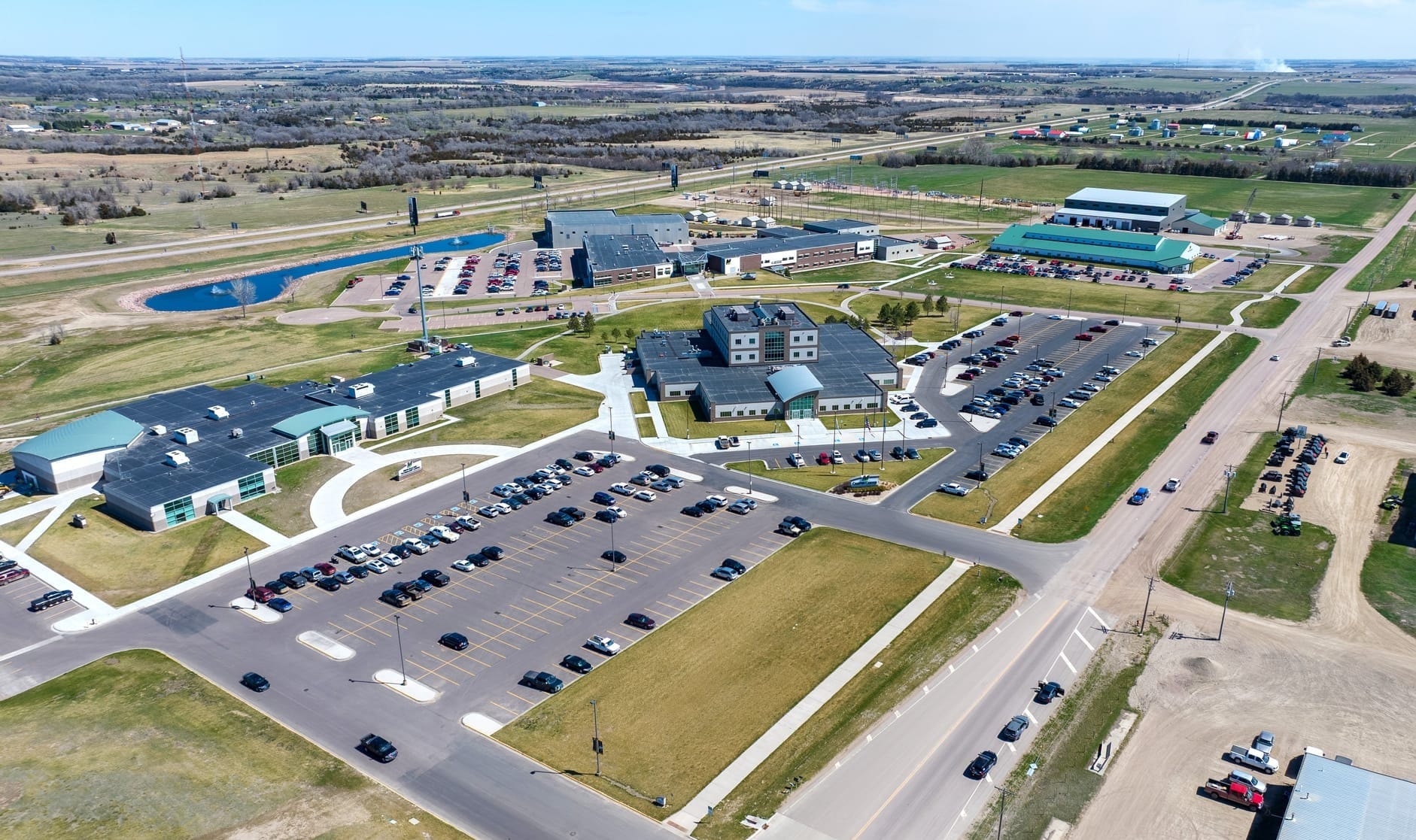
"I definitely think that students are wanting to get out into their careers a lot sooner than maybe they have in the past," she said. "They want to spend less money than they have in the past. They don't want to go into their career with a ton of debt."
The school has hit enrollment records two years in a row. This fall, enrollment hit 1,344 and the school saw a record freshman cohort of 616 first-time students.
"The idea of being able to do an online program, being able to do a two-year program, even a one-year certificate, whatever that might be is a lot more appealing right now," Van Peursem said.
Currently, Mitchell Tech offers five online programs, which the school plans to expand next year. Van Peursem said the interest in some of the school's online programs is nationwide.
"Our SLPA (speech language pathologist assistant) program pulls students from all the way in California. I mean, because it's just that flexible opportunity that they might not be able to find in their area," she said.
'College is linked to employment'
Dual enrollment draws high school students to technical colleges in high school. In 2026, dual enrollment accounted for over 18% of South Dakota's technical schools total enrollment, according to the system's fall 2026 enrollment report. One quarter of Lake Area Technical College students were high schoolers dual enrolled.
Bradfield of USF said in the last reporting period, South Dakota State University and University of South Dakota saw the most South Dakota 18-year-olds attend out of the state's colleges. The next three schools were technical colleges.
"We're in this moment where college is linked to employment. We have great technical colleges in South Dakota. Most of their degrees lead directly to some sort of gainful employment, usually measured in good pay," Bradfield said.
"All schools like us are recognizing they need to diversify sustainable revenue. That's the whole premise," he said. "If there aren't enough students to support your operations – which we know is a challenge – then, in our industry, you have to start thinking about, well, what are some alternative revenue sources?"
South Dakota News Watch is an independent nonprofit. Read, subscribe for free and donate at sdnewswatch.org. Contact reporter Emily DeCock: 605-736-4396/ emily.decock@sdnewswatch.org.