Read News Watch's coverage of Sioux Falls' massive new pork processing facility, from beginning to where it is now.

SIOUX FALLS, S.D. – On Feb. 16, some of the state’s most influential actors came together to announce what Gov. Larry Rhoden would later call a "quadruple win" and “the largest business investment in South Dakota history:" Smithfield Foods would be moving its massive, century-old pork processing plant in Sioux Falls to Foundation Park, an industrial park owned by the Sioux Falls Development Foundation in the northwest part of town.
What would follow was City Council meetings in two cities, a tax increment financing district, a conditional use permit, a court case and a judge’s decision that may set back some of the project's key infrastructure decisions.
The $1.3 billion project is by all available information going ahead. But what remains unclear is the status of the conditional use permit (CUP) for the facility originally approved by the Sioux Falls City Council and later remanded back to the city by Circuit Judge Ann Hoffman.
Here's the full story of the ongoing Smithfield saga, from announcement to ruling:
The announcement and impact
Smithfield's move was announced along with a slate of state and private investment in the project, including $12 million from the state's Future Fund toward the new site and a $50 million donation from the late Denny Sanford, allowing the Falls Falls Area Development Foundation to purchase the downtown site.
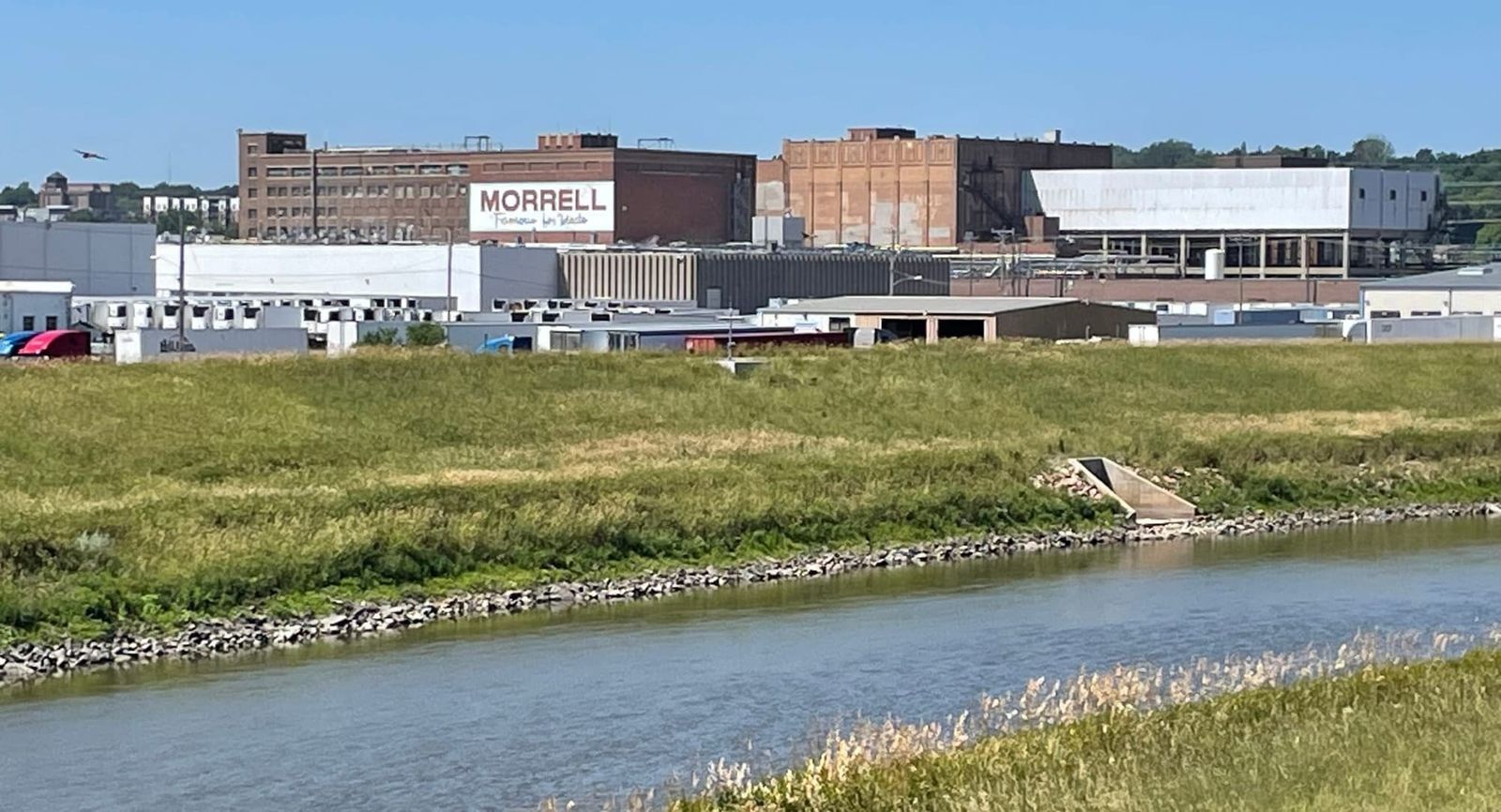
Smithfield purchased the plant from John Morrell & Co. in 1995. The company is one of the largest private employers in the state, with 3,070 employees, and pays $213 million in wages annually.
A representative from Smithfield could not confirm how many independent hog farmers the company works with in South Dakota but said that Smithfield contracts with more than 1,400 independent farmers across the country.
Get free, fact-based South Dakota news and information in a weekday email. No spam. Cancel any time.
Former Sioux Falls Mayor Paul TenHaken hailed the importance of the company to South Dakota's economy during the February announcement, citing the recent closure of a similarly sized Tyson Foods plant in Nebraska that he said will cost that state about $3 billion.
The company's current 120-acre site, which sits on the Big Sioux River and next to namesake Falls Park, will be demolished for redevelopment. A task force has been established to begin exploring what the site, which will be called the Sanford District, could hold.
The announcement added to the growing discussion about the future of downtown Sioux Falls, as the state penitentiary, just a mile from Smithfield, also found a new location last year.
Read deeper about Smithfield's impact on the state economy and the surrounding environment in this News Watch story:
 Molly Wetsch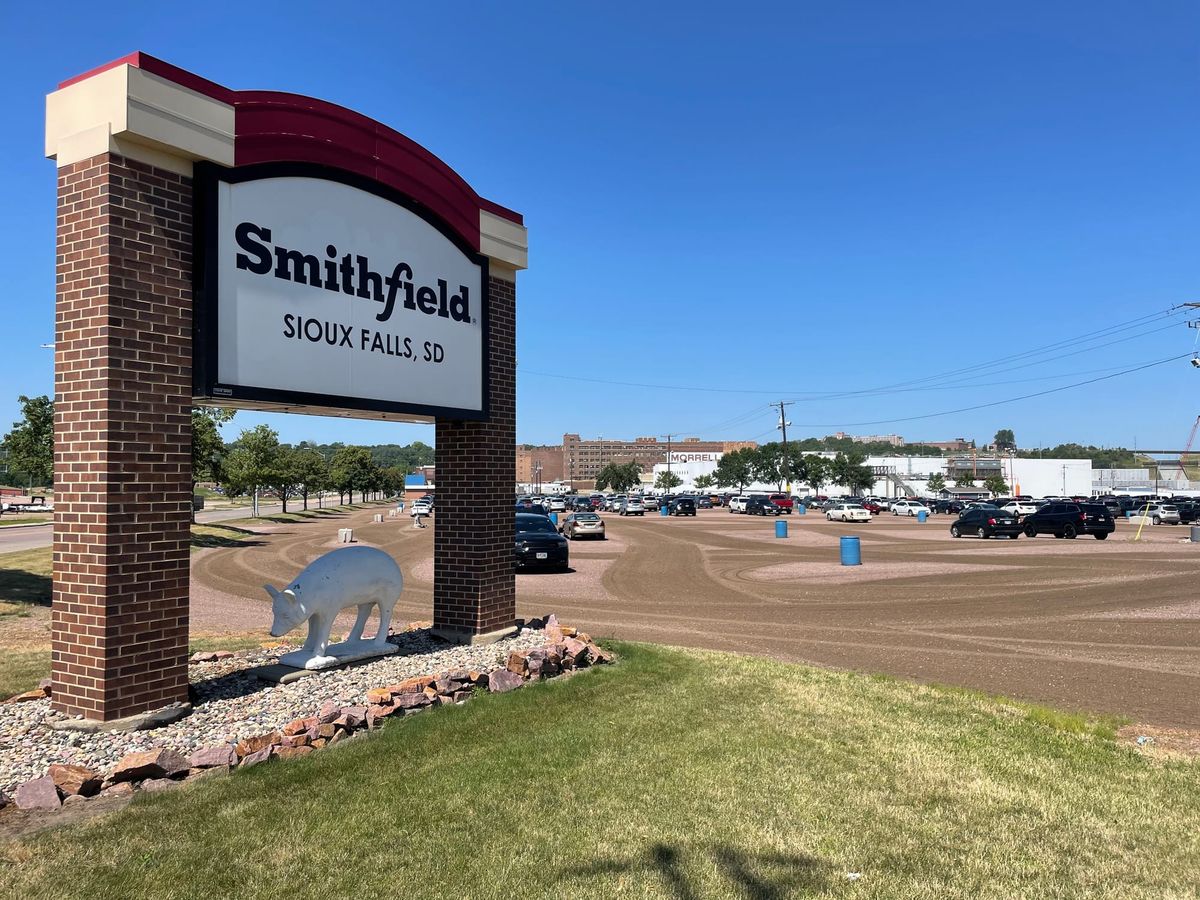
The backlash
The new Smithfield location is near the small town of Crooks, whose City Council met in March over the issue. Residents of the area expressed frustration about the company's move, citing concerns about traffic, odor and safety for the neighboring community of about 1,000.
Sioux Falls City Council meetings were also held in March to approve a tax increment financing district for a wastewater treatment plant on the site and conditional use permit for the project. Those meetings drew several instances of public comment echoing similar issues.
In April, a group of more than 20 plaintiffs filed a lawsuit against the Sioux Falls City Council, with the Sioux Falls Development Foundation as an intervenor. That lawsuit alleged that the CUP was approved with "improper authority" and asked for a writ of certiorari from the court, which would reverse the City Council's decision and ask it to reconsider the permit.
Read deeper about conditional use permits and residents' complaints in these News Watch stories:
 Molly Wetsch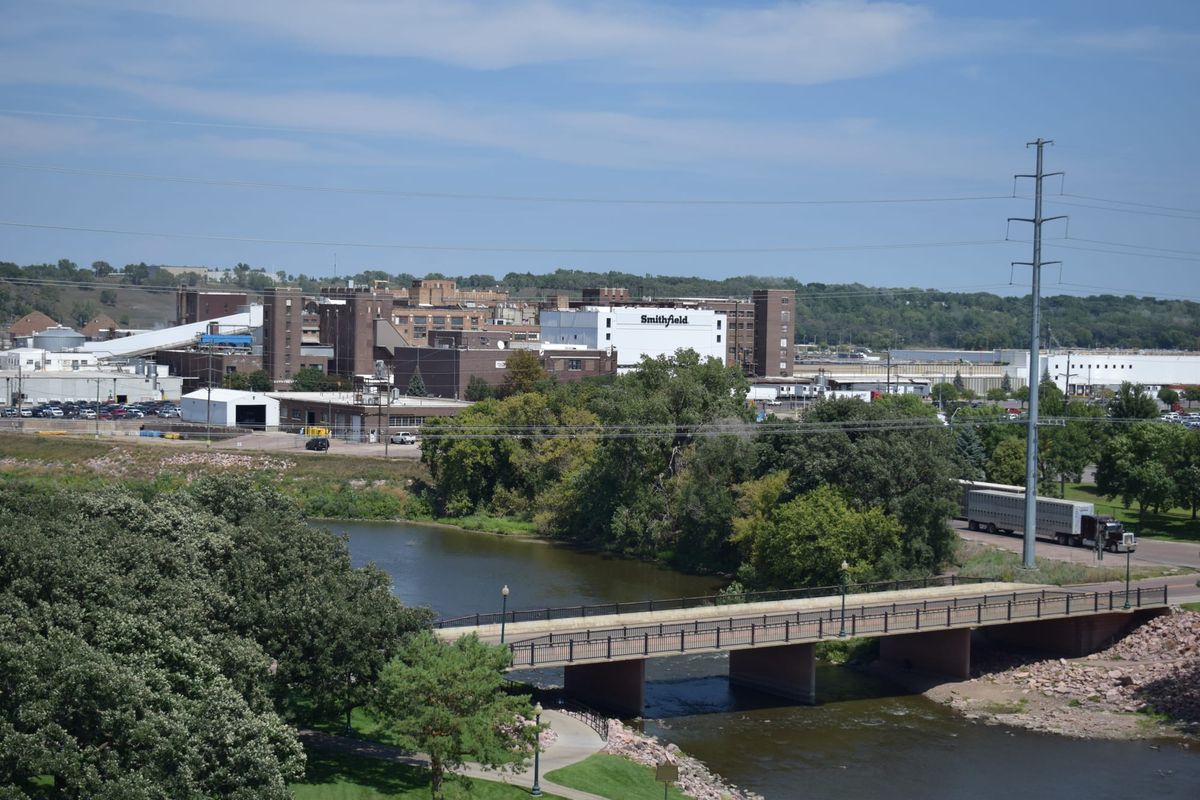
 Molly Wetsch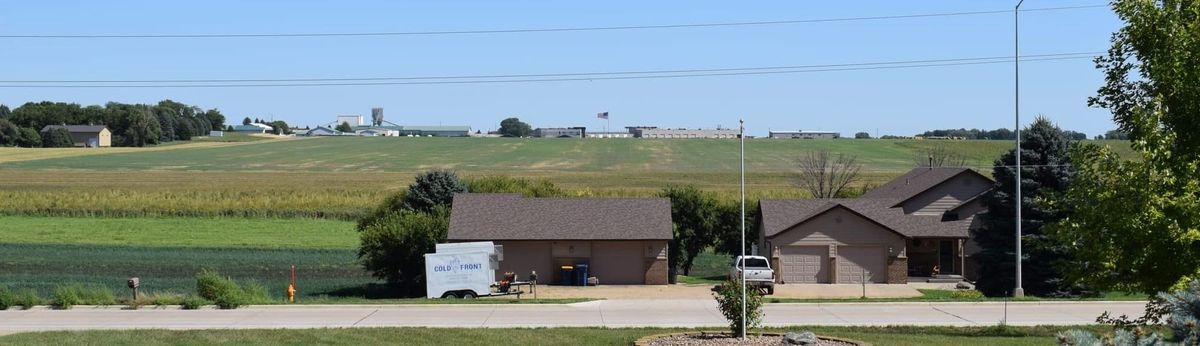
The ruling
On Oct. 1, Judge Hoffman granted the writ of certiorari to the plaintiffs. She ruled that the city had inappropriately approved Smithfield's CUP application, as it was lacking critical details outlined in the city's ordinances, including reporting on water and fire infrastructure.
Read deeper about Hoffman's ruling and the details in this News Watch story:
 Molly Wetsch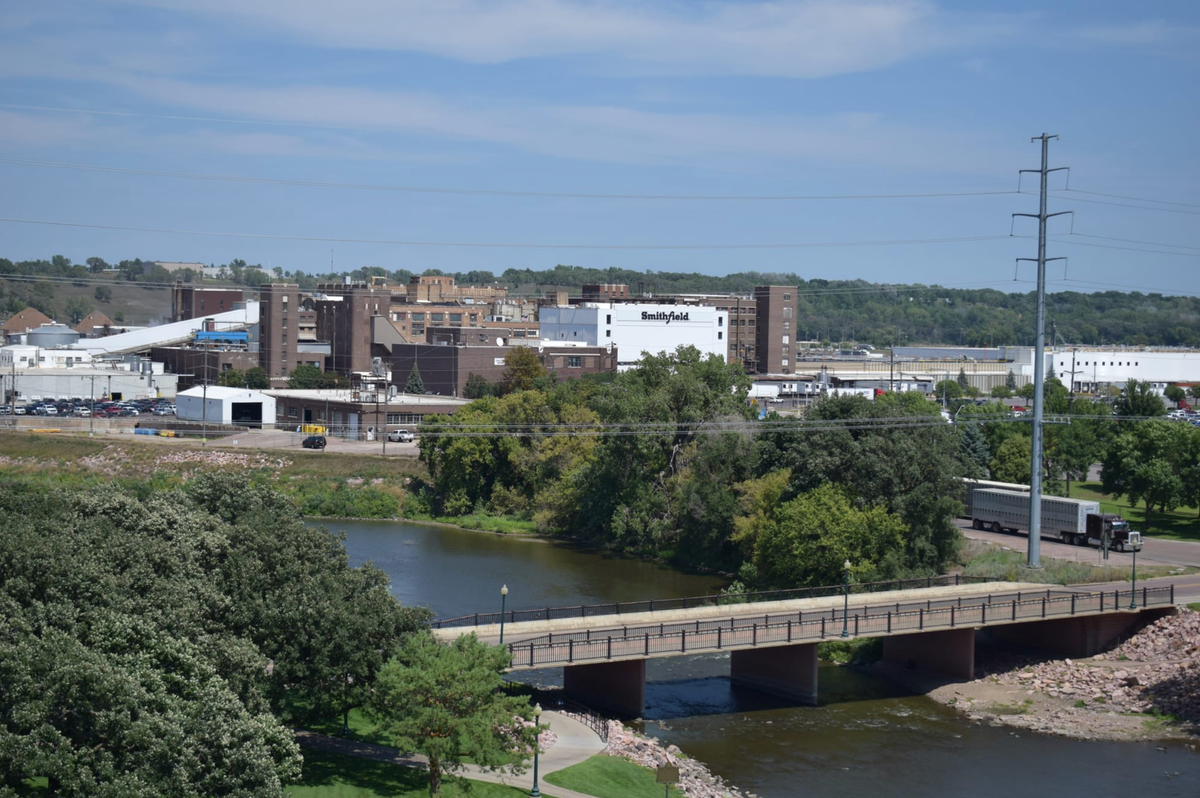
The future
What isn't clear is how Hoffman's ruling will affect the plans for the development.
Because the CUP was not rejected by City Council, it is unlikely that Smithfield will have to wait six months to re-apply for the permit as outlined in city ordinances, said attorney for the plaintiffs Steve Haugaard. City attorneys did not respond to a request for comment but met in executive session with city councilors on Tuesday evening to discuss the ruling, Sioux Falls Simplified reported.
The CUP does not apply to the entire facility. It simply would have authorized the company to build some of its structures closer than 1,000 feet to residentially zoned areas.
The company could also choose to forgo the CUP entirely and redraw its plans to keep the facility 1,000 feet from residentially zoned lots. That would allow the new operation to comply with city zoning ordinances without the need for special permitting.
It could also submit the information that Hoffman ruled was lacking in the original application, which the City Council may then approve, though it is unclear what that decision-making process would look like.
A Smithfield representative told News Watch that because production is not slated to begin at the new facility until 2028, many details about the project still have not been finalized.
South Dakota News Watch is an independent nonprofit. Read, subscribe for free and donate at sdnewswatch.org. Contact reporter/Report for America corps member Molly Wetsch: 605-531-7382/molly.wetsch@sdnewswatch.org.